Mold Inspection and Testing for Homeowners
Request an inspection estimate
A mold inspection answers three questions. Is there mold? How much? And what is feeding it? A provider in our network checks the visible areas, measures moisture, and may take samples for a lab. You get findings, not guesses.
Specialahead Mold Help is a referral service. We do not inspect, test, or remove anything. We take your request, route it to an independent local provider, and step aside. The provider sets the scope and price. Ask for the quote in writing. Dry air, spring melt, and finished basements all shape what an inspection finds in the Salt Lake City area.
Think You Have Mold? Start Here
Start with what you can see and smell. A musty odor, fuzzy or dark patches, peeling paint, or a ceiling stain all count. So does a past leak that never fully dried.
Mold needs moisture. Moisture first, mold second. An inspection looks for both.
Who Does What
Specialahead Mold Help is a referral service. We route, they remove. The inspection, sampling, and report come from an independent provider in our network.
You deal with that provider directly on scope, schedule, and price. Call hours vary by provider.
Signs an Inspection Makes Sense
- A leak, flood, or roof problem in the past few months
- Musty smell with no visible source
- Health symptoms that ease when you leave the house
- Condensation on windows or basement walls
- Buying or selling a home
- Mold you cleaned that keeps returning
When Testing Adds Little
If you can plainly see mold on a small patch of hard surface, testing may tell you nothing new. Mold is mold. The key question is why it grew there.
Testing helps most when the source is hidden or when you need a record, such as for a sale or a claim.
What a Provider Does on Site
Expect a walk-through first. The provider checks ceilings, walls, window frames, crawl spaces, and basements. Homes with finished basements and stucco or wood exteriors often have hidden spots near foundations and window wells.
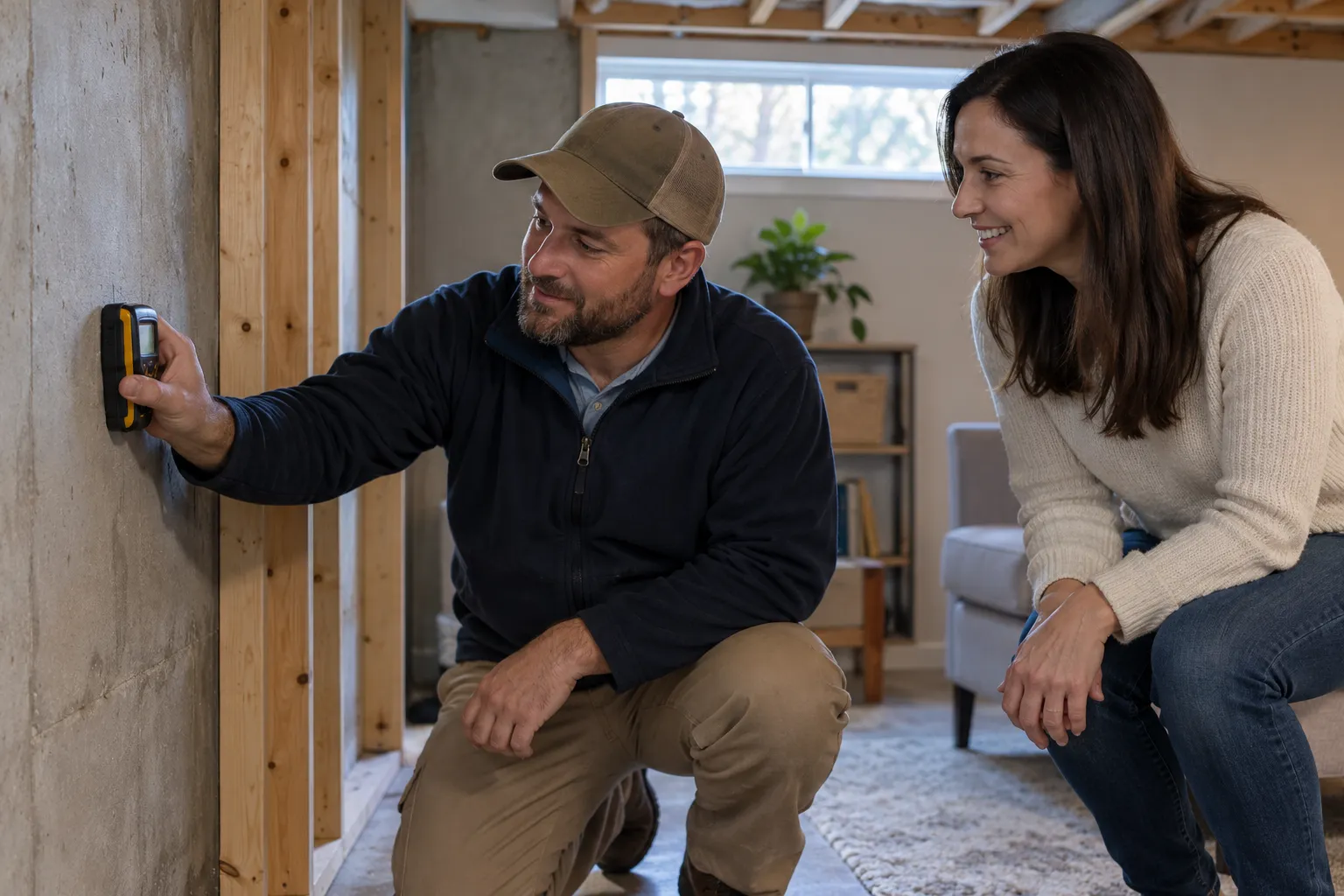
Tools may include a moisture meter, which reads dampness inside materials, and a thermal camera, which shows temperature differences that can point to wet areas.
Types of Mold Testing
Air Samples
A pump pulls a measured amount of air through a collector. A lab counts spores. The provider usually also samples outdoor air for comparison.
Surface Samples
A swab or tape lift picks up material from a stain. The lab identifies what it is.
Bulk Samples
A small piece of drywall or wood goes to the lab. This shows whether growth has moved into the material.
Certified Mold Testing: What to Check
Many providers hold industry certifications, and labs may hold their own accreditation. Ask which ones apply and request proof. Specialahead Mold Help cannot vouch for any provider's credentials, so verify them yourself.
Reading Your Results
A lab report lists spore types and counts. Numbers alone can mislead. A good provider compares indoor to outdoor samples and explains what stands out.
Some mold types are common everywhere. Others signal long-term dampness. Ask the provider to explain the findings in plain terms and to name the moisture source.
Inspection and Removal: Separate or Together?
Some providers do both. Others only inspect. Each setup has trade-offs.
A separate inspector has no stake in a removal job. A combined visit can be simpler to schedule. Either way, get the findings and any removal plan in writing before work starts.
What You Can Safely Do First
- Fix or stop a small, known leak if it is safe to do so
- Run a dehumidifier and fans in damp rooms
- Move belongings away from affected walls
- Take dated photos of stains and damp areas
- Note when the smell or symptoms are worst
What to Leave Alone
Do not scrub, sand, or bleach moldy areas before an inspection. That can spread spores and wipe out evidence. Skip cutting into walls and avoid large patches or anything near HVAC vents. Those jobs need professional containment and equipment.
How to Prepare for the Visit
Clear access to the attic, crawl space, and basement. Keep windows and doors closed for a few hours before air sampling. Write down the leak history, past repairs, and any areas that stay damp.
Questions to Ask the Provider
- What will you sample, and why those spots?
- Which lab processes the samples?
- Will the report name the moisture source?
- Is the quote in writing, with scope and fees listed?
- Do you also remove mold, and who checks the work afterward?
Some policies may cover sudden damage, so check yours. Providers can often help document findings for a claim.
What's Included
Visual Walk-Through
The provider checks ceilings, walls, basements, and crawl spaces for growth, stains, and signs of past water.
Moisture Readings and Imaging
Meters and thermal cameras help locate damp spots hidden inside walls and floors.
Air, Surface, Bulk Samples
Samples go to a lab to identify mold types and spore levels.
Written Report
You receive findings, likely moisture sources, and suggested next steps, so you can decide what to do.
Typical Mold Inspection and Testing Costs
These are typical U.S. ranges. Your price depends on home size, access, and how many samples are taken. Always get a written quote before any work begins.
| Item | Typical range | Notes |
|---|---|---|
| Visual inspection only | $300 – $600 | Walk-through and moisture readings |
| Air sample (each) | $50 – $150 | Outdoor comparison sample often added |
| Surface or tape sample (each) | $30 – $100 | Lab fees may be extra |
| Bulk material sample (each) | $50 – $150 | Drywall or wood piece sent to the lab |
| Full inspection with samples | $450 – $1,000 | Most common for an average home |
| Written report and follow-up | $100 – $400 | Sometimes included in the inspection fee |
How It Works
Send Your Request
Tell us about the signs you see, the room, and any past leaks.
We Route It
Specialahead Mold Help passes your details to an independent local provider.
Provider Inspects
The provider visits, checks moisture, and takes samples if needed.
Review Findings, Choose Next Steps
Read the report, ask questions, and decide on repairs or removal.
Why Call Specialahead Mold Help
Clear Roles
Specialahead Mold Help routes requests only. An independent provider does the inspection, sampling, and reporting, and you work with them directly.
Local Providers
Providers in our network serve the Salt Lake City area and know local building styles.
Written Quotes
Ask for scope and price in writing before any work starts.
Your Choice
Compare what providers offer, then decide. Requesting an estimate carries no obligation.
Other Services

Need mold inspection & testing services in Salt Lake City?
Describe your mold problem and request an estimate. Or use Request a callback to check provider availability. A local provider in our network follows up with you directly.
No obligationMold Inspection & Testing Services FAQ
- How do I find mold inspection near me?
- Send a request through Specialahead Mold Help or Request a callback to check provider availability. We route your details to an independent local provider in our network. The provider handles the visit, the quote, and the report.
- Do I need testing if I can see mold?
- Not always. Visible mold on a small hard surface can often be judged by eye. Testing helps with hidden growth, health concerns, or a documented record.
- Can I test for mold myself with a store kit?
- Kits can show spores exist, but spores are in every home. They rarely show source, extent, or severity. A provider with moisture tools and a lab report gives far more useful answers.
Request a callback
Describe your mold problem and request an estimate. Or use Request a callback to check provider availability. A local provider in our network follows up with you directly.
No obligation